Source 120cm handle mop clamp for Kitchen, Bath, and Car Cleaning
Find 30 verified listings for the 120cm handle mop clamp designed for industrial and household use. Buyers can compare specifications, materials, and pricing to select the right tool for kitchen, bath, or car applications.
Key considerations
Products List


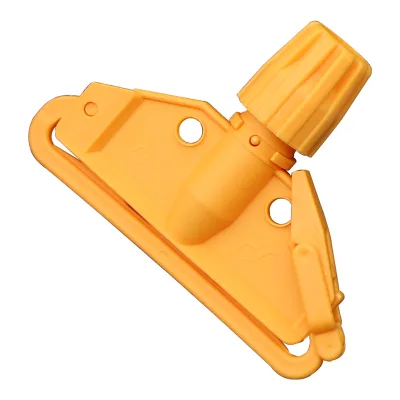
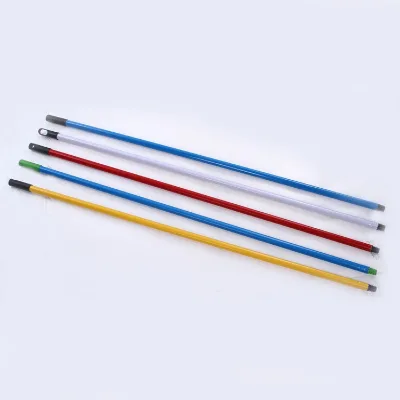


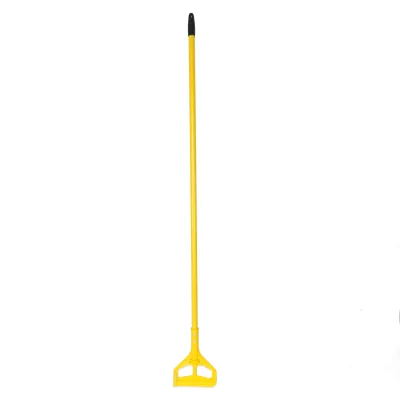


Comprehensive Sourcing Guide
Strategic Sourcing Guide for 120cm Handle Mop Clamps
The global demand for industrial cleaning equipment has driven a significant shift toward durable, high-performance mopping systems. Among the critical components of these systems, the 120cm handle mop clamp serves as a pivotal interface between the operator and the cleaning head. Sourcing this specific component requires a nuanced understanding of material science, mechanical specifications, and supply chain logistics. This guide provides a comprehensive framework for buyers to navigate the market, ensuring that procurement decisions are grounded in verified product attributes and industry standards rather than speculative claims.
Technical Specifications and Material Composition
When evaluating a 120cm handle mop clamp, the primary focus must be on the structural integrity of the connection point and the materials used in its construction. The supplied data indicates a diverse range of materials available in the market, including steel, wood, and stainless steel. For industrial applications, steel and stainless steel are the most prevalent choices due to their resistance to corrosion and mechanical stress. Specifically, the presence of "Stainless Steel" in the product attributes suggests a suitability for environments where hygiene and rust resistance are paramount, such as food processing or chemical plants. Conversely, "Wood" poles are noted in the dataset, which may be suitable for lighter domestic or light commercial tasks but often lack the durability required for heavy-duty industrial use.
The clamp mechanism itself must be evaluated based on its connection type and structural design. The data highlights "Press Connection" as a specific connection method, implying a secure, non-threaded fastening system that may offer faster assembly times. Additionally, the structural configuration is described as "Jaw / Spider," which refers to the internal gripping mechanism that holds the mop head in place. This design is critical for ensuring that the mop head does not detach during vigorous scrubbing or wringing actions. The flexibility of the handle is another key specification; the dataset lists "Flexible" as a characteristic, which can be advantageous for reaching awkward corners, though rigid handles are often preferred for leverage in heavy-duty scenarios.
Dimensions are equally critical. While the core keyword specifies a 120cm handle, the observed standards in the market vary significantly. One standard listed is "120cm*35cm or customized," which aligns directly with the user's requirement. However, other entries show ranges like "30-90cm mop head, 140cm handle" or "88-740mm." This discrepancy underscores the necessity for buyers to verify the exact length of the handle and the clamp's compatibility with the specific mop head model, such as the "MP002" or "DM0427" models observed in the data. The clamp must accommodate the specific width of the mop head, which can range from "30-200mm" according to the provided specifications.
Compliance, Certification, and Safety Standards
In the B2B procurement of cleaning equipment, compliance with safety and quality standards is non-negotiable. The dataset mentions "Patent for Utility Model," indicating that some manufacturers protect their specific clamp designs through intellectual property rights. Buyers should verify that the supplier holds valid patents for the specific clamp model they intend to purchase, as this ensures the design is original and not a counterfeit of a proprietary system. Furthermore, the "Nonstandard" classification found in the data suggests that many mop clamps are custom-made to fit specific industrial requirements rather than adhering to a universal global standard.
While the dataset references "ISO 9001" and "OEKO-TEX" in a low-confidence background section, these should not be assumed as guaranteed certifications for any specific product without direct verification from the supplier. Buyers must request current, valid certificates from the manufacturer rather than relying on general market knowledge. For industrial applications involving chemicals or oils, the material composition must be verified against safety data sheets (SDS) to ensure the clamp and handle materials do not degrade or leach harmful substances when exposed to harsh cleaning agents. The "Eco-Friendly" attribute observed in the product list suggests a growing market trend toward sustainable materials, but buyers should demand evidence of this claim, such as recycled content percentages or biodegradability certifications, rather than accepting it as a marketing label.
Cost Drivers and Pricing Dynamics
The pricing of 120cm handle mop clamps is influenced by several distinct factors, primarily material costs, manufacturing complexity, and order volume. The observed price range in the market is extremely low, spanning from 0 to 5 USD, which indicates that the base cost of the component is minimal. However, this low unit price is often contingent on high-volume orders. The Minimum Order Quantity (MOQ) data reveals a massive variance, ranging from as low as 5 units to as high as 30,000 units. This suggests that buyers seeking small batches may face significantly higher per-unit costs or may be unable to source the product at all from certain suppliers.
Material selection is a primary cost driver. Stainless steel clamps will inherently cost more than those made from plastic or standard steel due to the raw material expense and the additional processing required to prevent corrosion. The "Heavy Duty Industrial Use" advantage listed in the data implies that clamps designed for such applications will command a premium over standard residential models. Additionally, customization plays a significant role in pricing. The dataset confirms that "Customization" and "Customized" options are available, and standards like "customizable" are explicitly mentioned. Customizing the clamp to fit a specific mop head size or handle diameter will inevitably increase the unit cost and potentially the lead time.
Payment terms also impact the overall cost structure. The data indicates "Tt" (Telegraphic Transfer) as a common payment method. Buyers should negotiate payment terms that align with their cash flow, as suppliers offering flexible terms for large orders may provide a discount on the unit price. The "Quantity" attribute of "1 Piece" in the dataset likely refers to a sample order or a specific SKU listing, which should not be confused with the bulk pricing tiers available for industrial procurement.
Typical Applications and Usage Scenarios
The versatility of the 120cm handle mop clamp allows it to be deployed across a wide array of industries. The dataset explicitly lists applications in "Oil, Chemical, Water Supply, Mine, Gas," highlighting its critical role in hazardous and heavy industrial environments. In these sectors, the clamp must withstand exposure to corrosive chemicals, abrasive dust, and constant mechanical stress. The "Warp Knitted Twist" technique mentioned for mop heads suggests a specific type of cleaning head that may require a specialized clamp to ensure a secure fit during high-speed wringing or spinning.
Beyond heavy industry, the clamp is also suitable for "Kitchen, Bath, Car" applications, as noted in the product attributes. In these settings, the "Quick-Dry" and "Sustainable" features of the mop system become more relevant. The clamp must facilitate easy cleaning and maintenance to prevent bacterial growth, which is a significant concern in food service and automotive detailing. The "Multicolor" and "Red, Blue, Green" color options observed in the data allow for color-coding systems, a best practice in facilities management to prevent cross-contamination between different cleaning zones.
The "Industry Use Heavy Duty" advantage reinforces the suitability of these clamps for commercial and industrial settings. Whether in a warehouse, a manufacturing plant, or a large-scale facility, the clamp must provide a reliable connection that does not fail under the weight of a wet mop head or the force applied by the operator. The "Unextensible" handle type noted in the data suggests that the 120cm length is fixed, which provides consistent leverage and stability, making it ideal for tasks requiring precise control rather than the reach of an extendable handle.
Supplier Evaluation and Verification
Selecting the right supplier for 120cm handle mop clamps requires a rigorous evaluation process. Buyers should prioritize suppliers who can demonstrate a clear understanding of the specific technical requirements, such as the "Jaw / Spider" structure and "Press Connection" mechanism. The "Cleanic" brand name appears in the data, serving as an example of a known entity in the market, but buyers should not limit their search to this single name. Instead, they should evaluate potential suppliers based on their ability to provide detailed product specifications, including the exact dimensions of the clamp and the material composition of the handle.
The origin of the product is another critical factor. The data consistently lists "China" and "China(Mainland)" as the point of origin. Buyers should verify the specific manufacturing location to ensure it aligns with their logistics strategy and any trade compliance requirements. The "Carton" and "OPP Bage" (likely a typo for OPP Bag) packaging methods observed in the data indicate standard packaging practices, but for industrial orders, "Wooden Frame Packaging" may be necessary to prevent damage during transit.
Suppliers should also be evaluated on their customization capabilities. The availability of "customizable" standards and the ability to produce models like "xy-pg02" or "HY" suggest that some manufacturers have flexible production lines. Buyers should request samples to test the fit and finish of the clamp before committing to a large order. The "Patent for Utility Model" status should be verified to ensure the supplier is the legitimate rights holder or has authorized licensing to produce the design.
Quality Control and Long-Term Procurement
Implementing a robust quality control (QC) protocol is essential for maintaining the reliability of 120cm handle mop clamps. Given the "Heavy Duty" nature of the application, QC checks should focus on the tensile strength of the clamp, the corrosion resistance of the materials, and the precision of the connection mechanism. Buyers should request test reports that verify the clamp can withstand the forces generated during typical mopping operations without deforming or failing. The "Nonstandard" nature of many products means that QC protocols must be tailored to the specific order requirements rather than relying on generic industry standards.
Long-term procurement considerations involve establishing a stable supply chain that can accommodate fluctuating demand. The wide range of MOQs, from 5 to 30,000 units, offers flexibility, but buyers should aim to negotiate contracts that allow for scalable ordering. The "Replacement" feature mentioned in the product attributes suggests that mop heads are consumable, and the clamp system should be designed for easy replacement of worn components. This reduces long-term costs and minimizes downtime.
Buyers should also consider the environmental impact of their procurement decisions. The "Eco-Friendly" and "Sustainable" attributes observed in the market indicate a trend toward greener products. Sourcing clamps made from recycled materials or those that are easily recyclable can contribute to a facility's sustainability goals. However, these claims must be substantiated with verifiable data, as the "low-confidence" nature of some background standards like "OEKO-TEX" warns against accepting marketing claims at face value.
Final Procurement Considerations
In conclusion, sourcing a 120cm handle mop clamp requires a balanced approach that considers technical specifications, material quality, cost efficiency, and supplier reliability. The market offers a wide variety of options, from basic plastic models to heavy-duty stainless steel clamps designed for industrial use. Buyers must carefully verify the dimensions, connection types, and material compositions to ensure compatibility with their existing mopping systems. By adhering to the principles of evidence-based procurement and avoiding unverified claims, buyers can secure high-quality components that enhance operational efficiency and safety in their facilities. The diversity of models, such as "MP002," "DM0427," and "MH2656," highlights the importance of selecting a product that aligns precisely with the specific needs of the application, whether it be in a chemical plant, a kitchen, or a vehicle maintenance bay.
FAQs
What materials are used for 120cm handle mop clamps?
Steel, stainless steel, and wood are the primary materials used for these clamps. Stainless steel offers superior corrosion resistance for chemical environments, while steel provides heavy-duty strength, and wood is suitable for lighter tasks.
Which connection types are available for industrial mop clamps?
Press connection is a specific method available for these clamps. This secure, non-threaded fastening system allows for faster assembly compared to traditional threaded mechanisms found in other industrial cleaning equipment.
Can I find custom sizes for 120cm handle mop clamps?
Yes, customization is available for standard dimensions like 120cm by 35cm. Buyers can request specific widths ranging from 30mm to 200mm to ensure compatibility with various mop head models and industrial requirements.
How is the structural design of these clamps configured?
The structure typically features a Jaw or Spider internal gripping mechanism. This design ensures the mop head remains securely attached during vigorous scrubbing or wringing actions in heavy-duty industrial settings.
What is the typical MOQ for ordering these clamps?
Minimum Order Quantities vary significantly from 5 to 30,000 pieces depending on the supplier. Some listings show an MOQ of 10,000 pieces, while others accommodate smaller batch orders starting at just 5 units.
Where are 120cm handle mop clamps manufactured?
These products originate from China and Mainland China. Buyers should verify the specific manufacturing location to align with logistics strategies and ensure compliance with any trade requirements for imported cleaning equipment.
What packaging options exist for bulk orders?
Packaging ranges from standard cartons and OPP bags to wooden frames for heavy-duty protection. Wooden frame packaging is often recommended for industrial shipments to prevent damage during transit of the heavy-duty components.